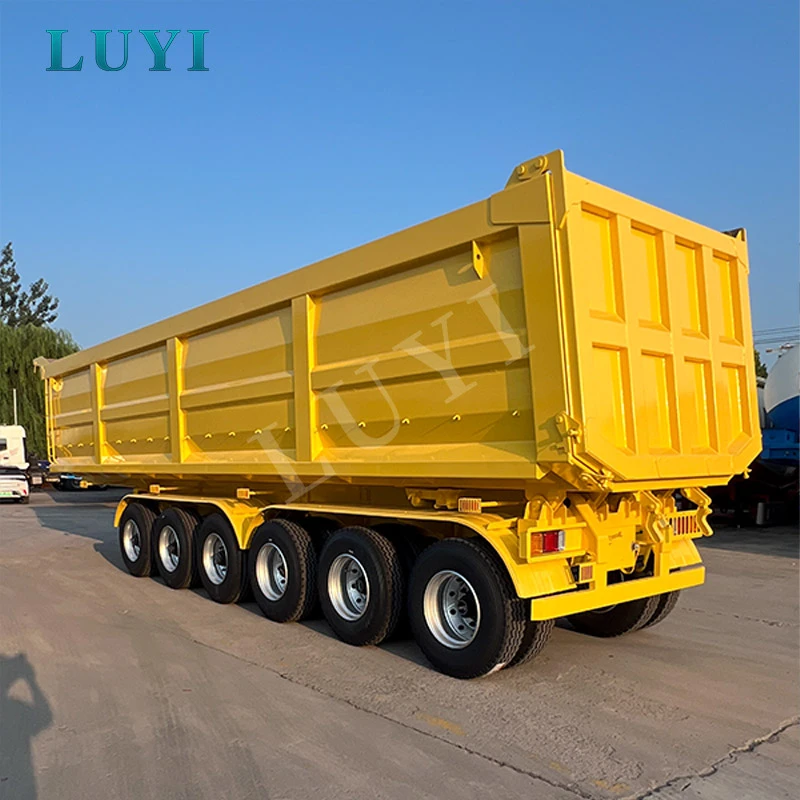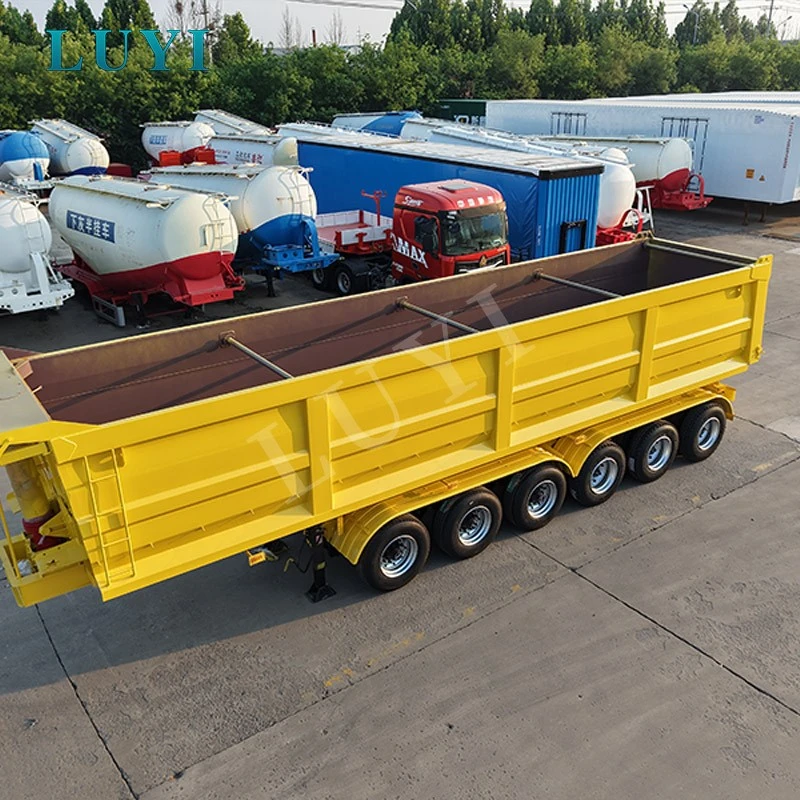
Every tipper works under brutal conditions. Ore, gravel, sand and demolition waste slide across the floor and sidewalls with enormous force, and over time this constant scouring eats into the steel of the cargo box. The result is familiar to every fleet owner: thinned plates, dents, cracks and repeated welding repairs. Wear-resistant liners address this problem at the material level rather than at the repair stage.
The simple reason liners work is that abrasion depends on the hardness of the two surfaces in contact. Quarried stone, slag and aggregate typically sit in the 400–600 HB range. A standard Q235 or Q345 floor loses the hardness contest, so the load grinds it away grain by grain. A liner produced from NM400 or NM450 quenched and tempered steel carries a much higher surface hardness, which forces the abrasive particles to slide rather than bite. Even when the liner does wear, it wears far more slowly, so the working surface keeps its profile for months instead of weeks.
Geometry matters as much as steel grade. Hardened plate polishes to a smooth finish under traffic instead of developing the rough, torn surface that mild steel forms when it gouges. A slicker surface lowers friction, which means the load discharges faster and more completely. Fewer hang-ups at the tailgate reduce the manual scraping and hammering that damages the box and injures drivers.
There is also a structural benefit. The original box plate keeps its full thickness, because the liner absorbs the impact of large lumps dropped from the excavator bucket. Cracks, bowed sidewalls and weld failures appear far less often, and the box stays within its rated capacity instead of gaining extra kilos of welded repair patches.
The economics follow directly. Liner replacement costs a fraction of a full floor rebuild, downtime drops, payload stays predictable and the trailer holds resale value.