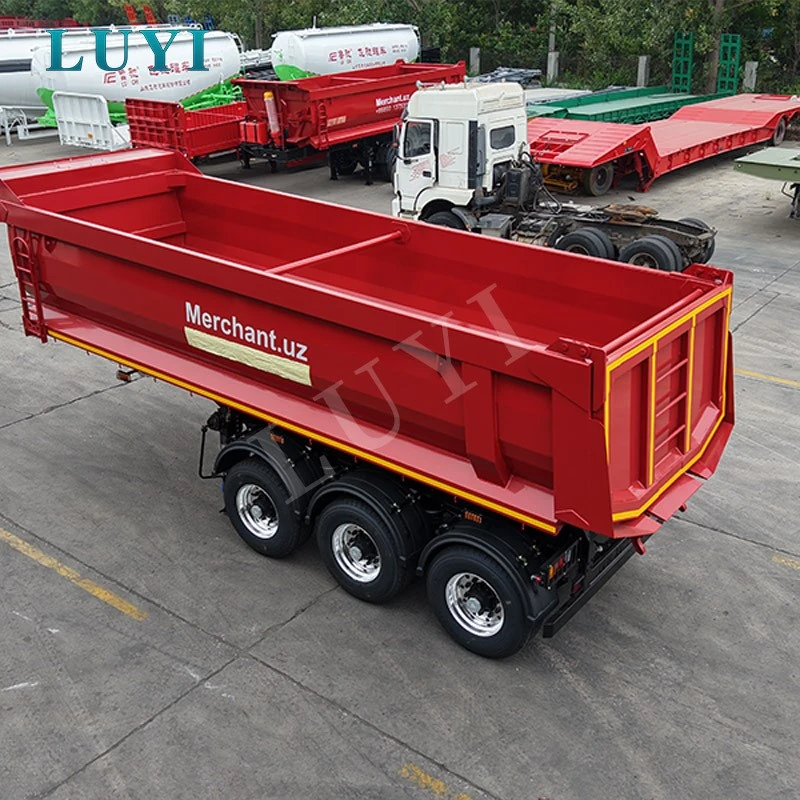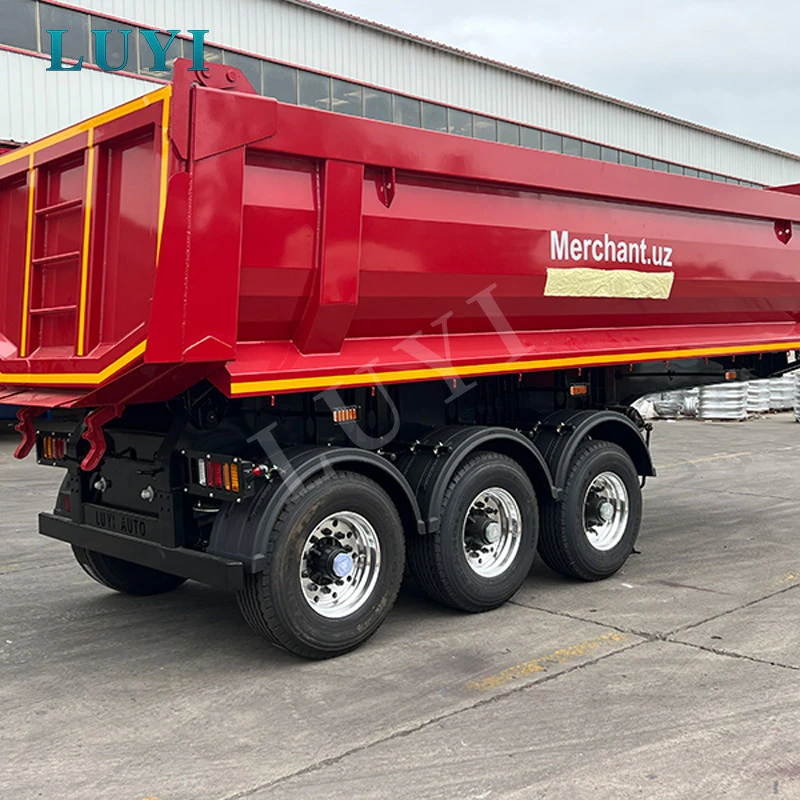
Getting the lifting speed right on your dump trailer keeps unloading steady and safe. Too fast, and cargo can shift sharply, shaking the whole trailer and putting extra stress on the hydraulic cylinder and frame. Too slow, and it drags down your working efficiency. The flow control valve on the hydraulic line is where you make this adjustment.
First, get ready properly. Park the trailer on firm, level ground and set the parking brake. Double-check hydraulic oil level and all hoses for leaks. Any air or dirt inside the hydraulic system will make lifting jerky and hard to tune. Find the flow control valve before you start turning anything.
Always tweak the valve little by little. A quarter turn each time is enough. On most trailers, turning the screw clockwise cuts oil flow and slows lifting; counterclockwise speeds it up. It's wise to check your trailer manual to confirm, as designs differ between factories. After each small adjustment, run a no-load lift test. Watch the bed closely - it should rise smoothly, no sudden jumps or pauses.
Then test with real loads. For loose materials like sand and grain, a medium speed works well so the material slides out gradually. Sticky wet mud or heavy scrap needs a slower speed, especially when the bed tips near the maximum angle. This stops stuck loads from breaking loose all at once and jolting the trailer. Avoid fast lifting if you are working on sloped ground.
Run a few full unloading cycles to confirm the setting works. If the speed keeps changing and adjustment makes no difference, the problem is likely worn seals, dirty hydraulic oil or damaged valve parts. You will need to service the hydraulic system instead of forcing the valve.
A well-adjusted lifting speed protects your trailer parts and cuts rollover risks. It lets you unload cargo smoothly without sacrificing too much productivity.