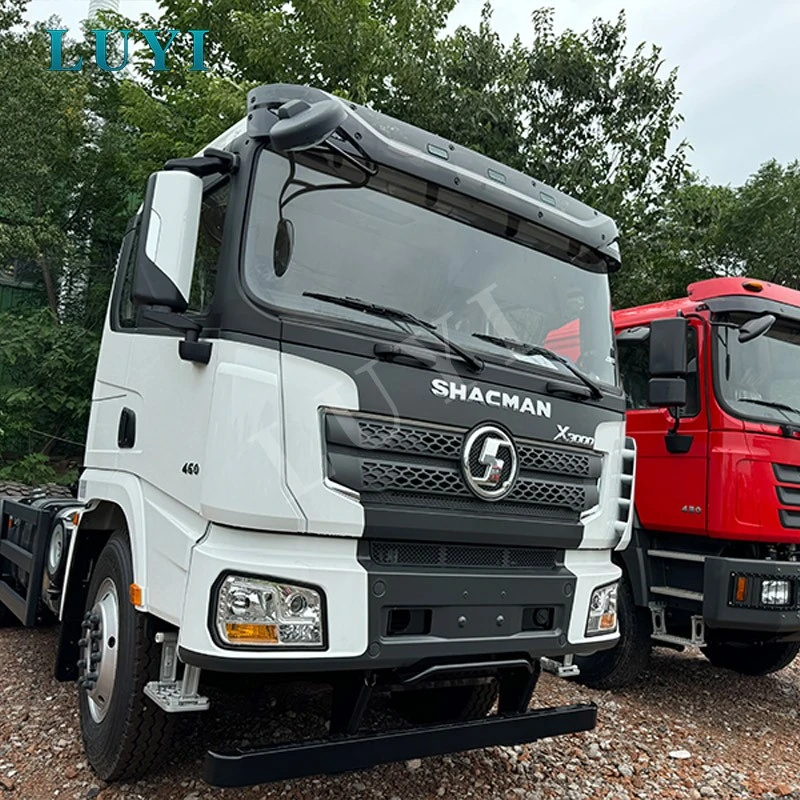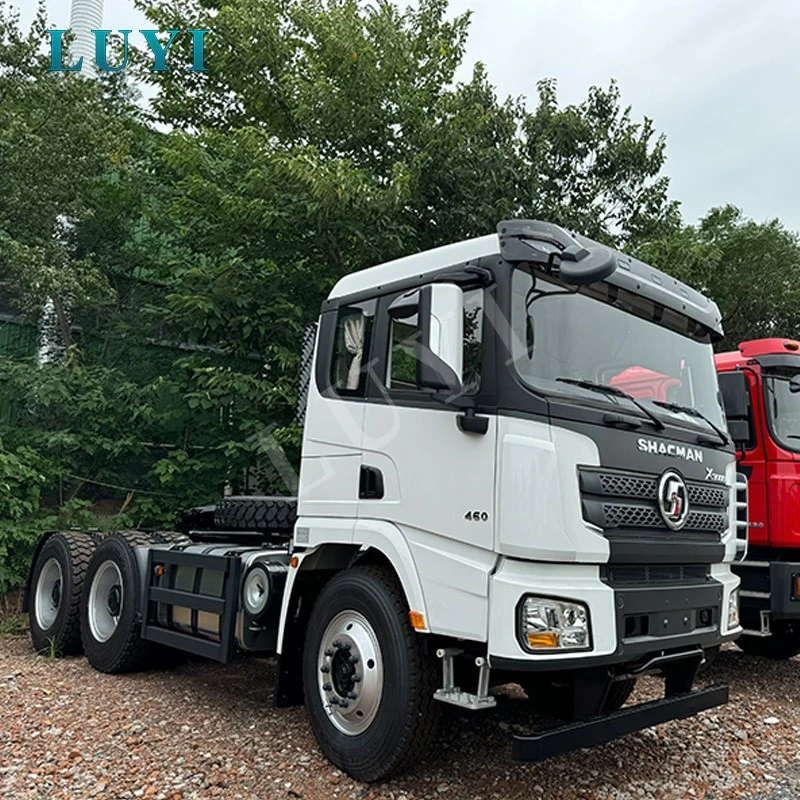
Long‑distance truck drivers often spend 8 to 12 hours seated continuously, and accumulated physical strain easily causes fatigue, stiff muscles and reduced concentration. A well‑optimized cabin ergonomic design effectively relieves such tiredness from multiple aspects.
The adjustable suspension seat is the core part. Equipped with lumbar support, adjustable backrest and shock absorption structure, it helps drivers maintain a natural spinal posture. It reduces continuous pressure on the lower back, neck and hips, and blocks most road vibration transmitted to the body. Without forced slouching or constant body adjustment, muscle tension drops greatly.
Besides seating, the layout of controls matters. Steering wheel, pedals, gear
shifter and dashboard buttons are placed within a natural reach range. Drivers do not need to stretch, twist or hunch to operate, which avoids repeated strain on shoulders, arms and waist. Reasonable sightline design also cuts extra neck movement when checking mirrors and instruments.
Noise insulation, temperature control and sufficient cabin space further ease mental fatigue. A quiet, well‑ventilated environment prevents drivers from being irritated by harsh noise or uncomfortable heat. With less physical discomfort, drivers stay alert longer, and the risk of fatigue‑related accidents goes down. In short, ergonomic cabins are not luxury upgrades; they protect drivers' health, sustain driving performance and raise road safety for long‑haul transport.