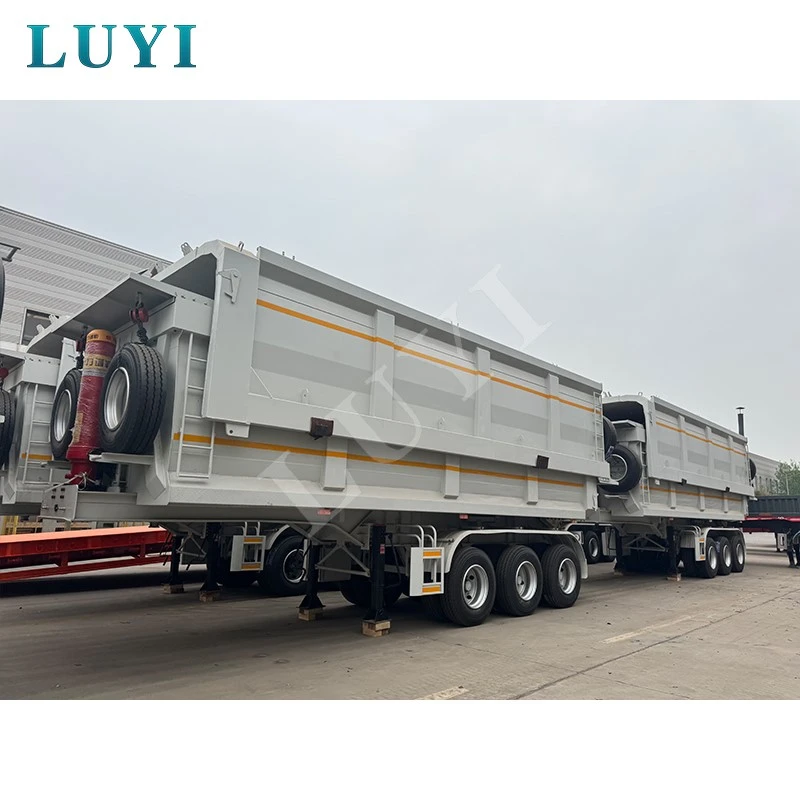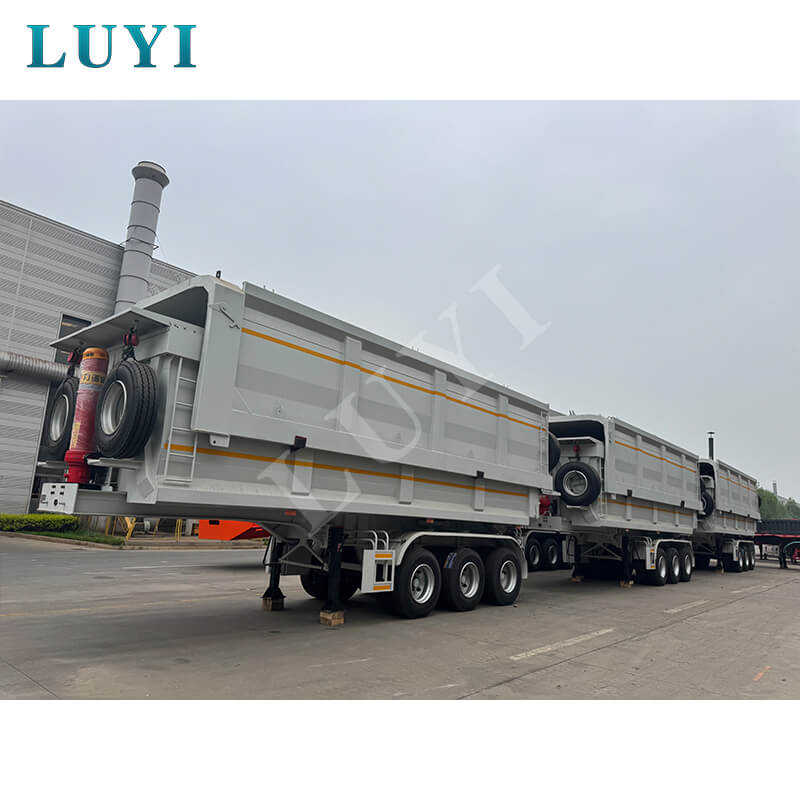
Dump trailers depend entirely on their hydraulic systems to complete lifting and unloading work. Compared with short-distance runs, long-distance trips put much heavier strain on these key components. In actual road operations, most hydraulic failures including oil leakage and unsteady lifting are not sudden accidents, but results of neglected daily upkeep. Small hidden flaws will gradually worsen during continuous driving, leading to unexpected breakdowns and delayed cargo delivery. Simply focusing on inspection and upkeep before, during and after transportation can greatly stabilize the overall performance of the hydraulic system.
A detailed pre-departure check is the first line of defense against hydraulic faults. Before setting off on a long journey, drivers should start with basic hydraulic oil checks. They need to make sure the oil volume is sufficient and check if the oil has gone bad or mixed with dirt. Dirty and degraded oil must be changed right away, because foreign particles will block internal pipelines and reduce the trailer's lifting capacity. In addition, long-time driving vibration often loosens pipe fittings. It is necessary to fasten all joints and check hoses for aging, cracking and abrasion, while testing cylinders and control valves to rule out stuck or damaged parts.
In-transit protection is easy to ignore but matters a lot for hydraulic system durability. Carrying excessive cargo is extremely harmful, as overloading will sharply increase internal system pressure and wear down sealing parts quickly. When traveling on rugged roads with frequent bumps, drivers should reduce speed properly to buffer vibration, which protects internal hydraulic parts from loose displacement and abnormal wear. Meanwhile, casually checking the pressure gauge from time to time helps keep the system running within safe pressure values.
After finishing long-distance transportation, targeted post-maintenance work cannot be skipped. Workers should wipe off the mud, dust and stains on hydraulic cylinders and pipe surfaces to avoid corrosive damage from long-term dirt accumulation. It is also necessary to conduct a full inspection of seals and pipe connections to fix tiny problems before they worsen. If the lifting function shakes or works unevenly, air trapped inside the hydraulic system should be exhausted in a timely manner. Developing these simple maintenance habits can effectively reduce hydraulic failure rates in long-term use.