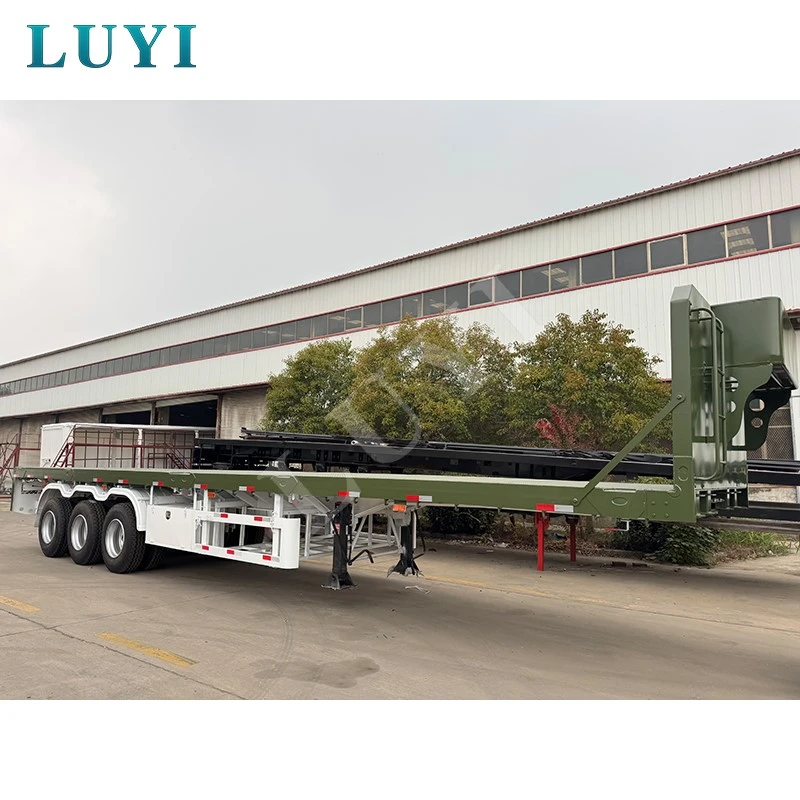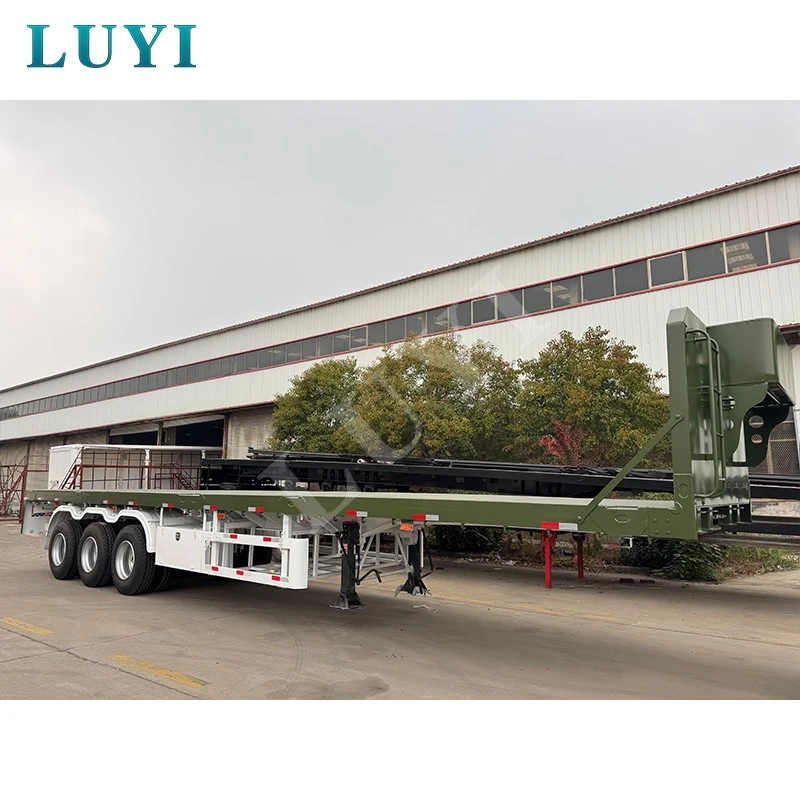
Heavy‑duty flatbed trailers have become the preferred transport solution for steel cargo across global logistics networks. Steel products, including steel coils, steel beams, steel plates and structural steel frames, feature large sizes, heavy net weight and irregular shapes, which set high requirements for transportation vehicles. That is exactly why flatbed trailers stand out from many other trailer types.
First of all, the open flat platform brings outstanding loading flexibility. There are no side walls or enclosed boxes limiting the space. Oversized and out‑of‑gauge steel materials can be placed directly on the flat deck. Workers can finish loading and unloading conveniently by using cranes or forklifts from all sides of the trailer. This greatly shortens handling time and improves overall work efficiency.
Secondly, these heavy‑duty flatbed trailers adopt reinforced chassis and thick load‑bearing steel decks. Their strong structural performance enables them to bear extremely heavy steel loads. Multiple lashing points are reserved around the platform. Drivers and operators can fasten steel beams or coils firmly with chains and tension belts to prevent shifting during bumpy highway journeys. Effective fixing reduces risks of cargo slipping or falling on the road.
Besides practical loading performance, cost factor also cannot be ignored. Compared with special customized trailers for steel, standard heavy‑duty flatbed trailers enjoy wider availability. They can also transport other bulky goods when there are no steel‑related orders. Such multi‑purpose usage helps transport companies cut down idle losses and control operating expenditure.
To sum up, flexible loading design, reliable heavy‑load capacity and good economic benefits make heavy‑duty flatbed trailers indispensable for steel cargo delivery in modern freight business.