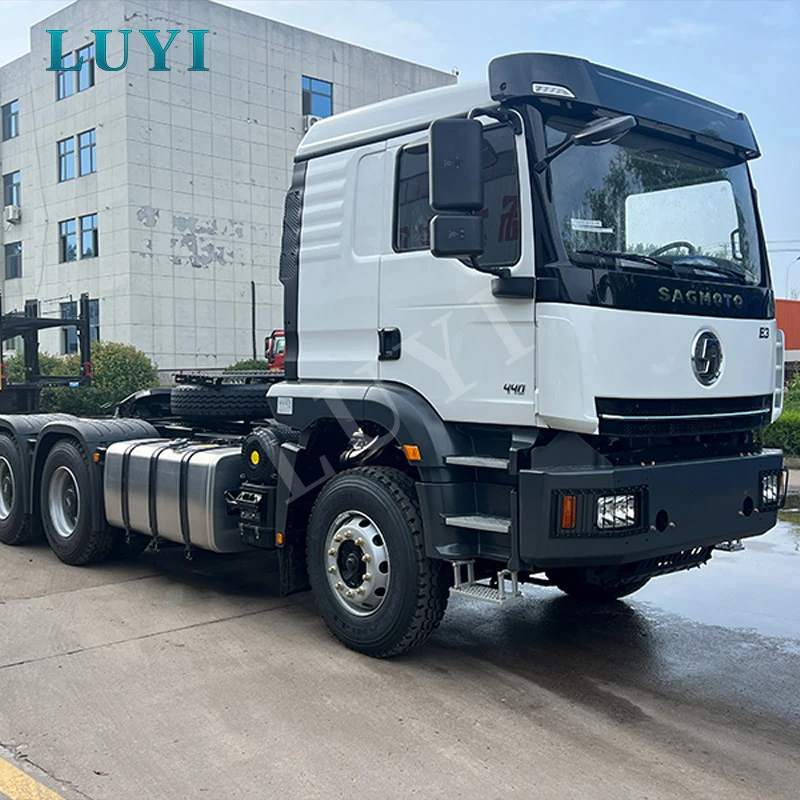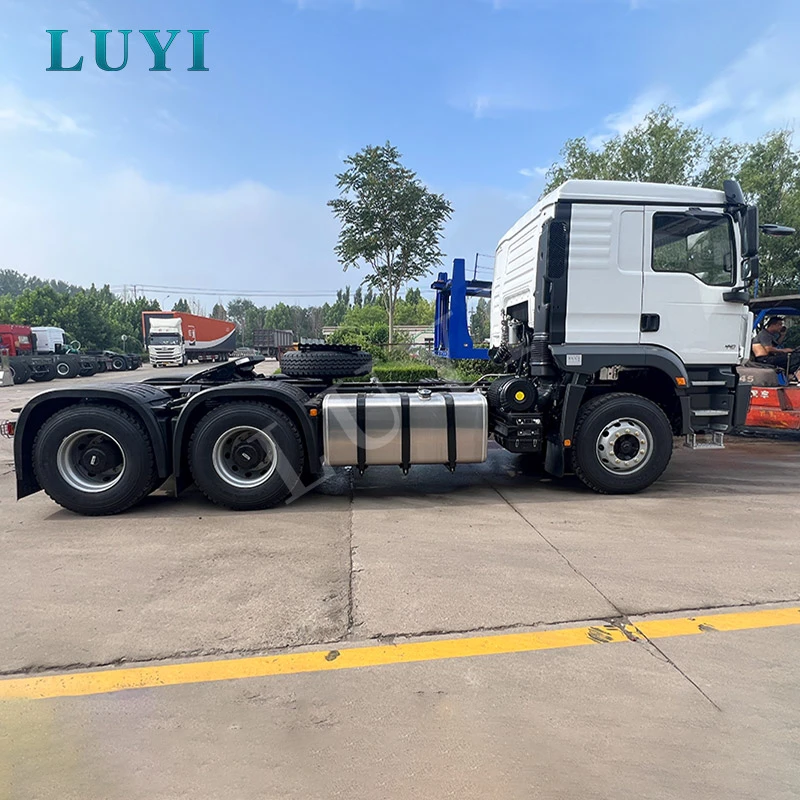
Heavy-duty trucks carry high centers of gravity, long wheelbases, and heavy, shifting loads. Under those conditions, suspension settings are not a comfort detail - they define how the vehicle behaves when braking, cornering, and hitting uneven pavement.
Roll stiffness distribution decides how much of the body roll is taken by the front axle versus the rear. If the front is too soft relative to the rear, the truck understeers, the steering feels vague, and the driver has to add more correction on a curve. Push the balance the other way and the rear becomes light, and a loaded trailer can step out on a damp road. Anti-roll bars, spring rates, and axle spacing all feed into this balance, which is why suspension tuning is a system-level decision rather than a per-axle one.
Damping controls how quickly load transfers happen. Soft rebound lets the cab float after a bump and reduces steering precision; too much rebound makes the
axle skip and breaks contact patch continuity. In practice the target is the axle staying planted at speed, since a wheel that leaves the road gives no braking, no steering, and no grip.
Ride height and spring preload set the static load share between axles. Wrong preload means one axle works harder, tires wear unevenly, and the brake force distribution no longer matches the design intent, extending stopping distance.
Finally, suspension settings must match the load and the road. A chassis tuned for smooth highway running behaves differently with a full tank, a raised center of gravity, or repeated mountain descents, where heat and bushing compliance change the picture further. Tuning one axle in isolation rarely solves anything.
In short: suspension settings define the tire contact patch, the load transfer rate, and the roll balance - the three variables behind every stability event.