

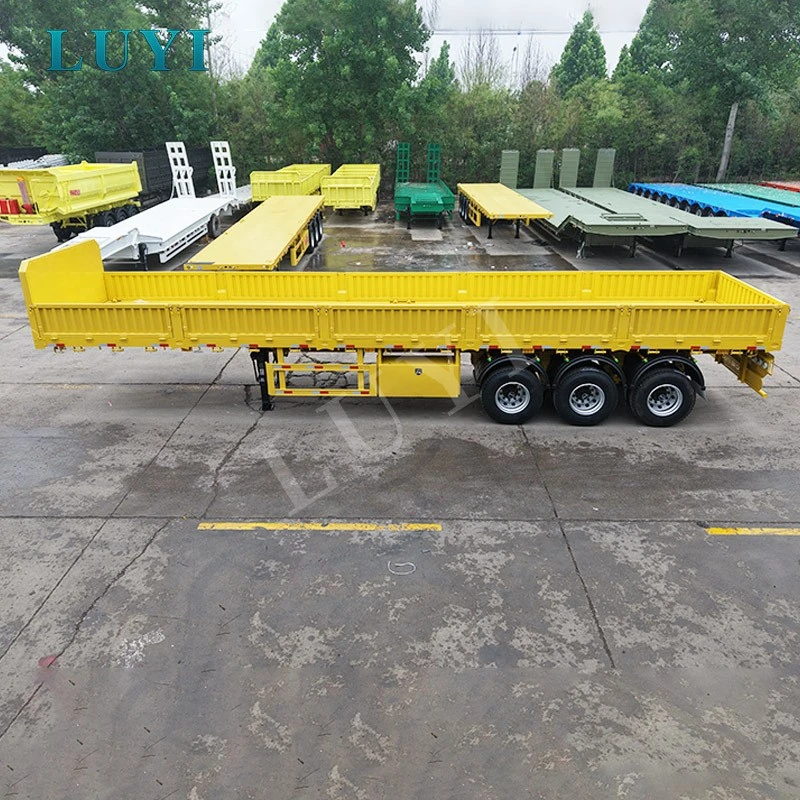
Outriggers, axles and suspension hardware take massive punishment in real‑world heavy‑duty transport and construction jobs. Each piece faces unique strains out on site. Outriggers hold the whole machine steady while working, stopping tilting when heavy loads press down. Axles transfer driving force, coping with repeated stress every time drivers brake, turn or travel over rough ground. Suspension takes the brunt of road shocks, softening jolts that would otherwise wear other parts down fast. How well these components hold up directly decides how safely your trailer or machine runs. Poor care leads to unexpected downtime and costly repair bills, so small, practical steps go a long way towards getting more working hours out of them.
Much of premature wear comes from skipped basic care. Workers should wipe away mud and grit built‑up on extendable outriggers, then add lubricant to keep sliding parts from seizing or rusting. Never push units past their load rating, since overloading slowly weakens metal structures over time. For axles, swap lubricants on schedule and double‑check bolt tightness; loose connections trigger shaking and extra friction. On suspension, swap out worn shock absorbers and perished
rubber bushings as soon as performance drops. Occasional adjustments also stop stress building up on one single spot.
How operators handle the equipment matters just as much. Harsh moves like slamming on brakes, sharp cornering and speeding hammer axles and suspension with sudden impact. Visual spot‑checks alongside simple testing tools help catch tiny cracks and early fatigue before they turn into big failures. Stick to sensible loading rules and keep metal surfaces protected against corrosion. All these hands‑on steps lower breakdown odds and stretch the real‑world service life of these vital core parts.
