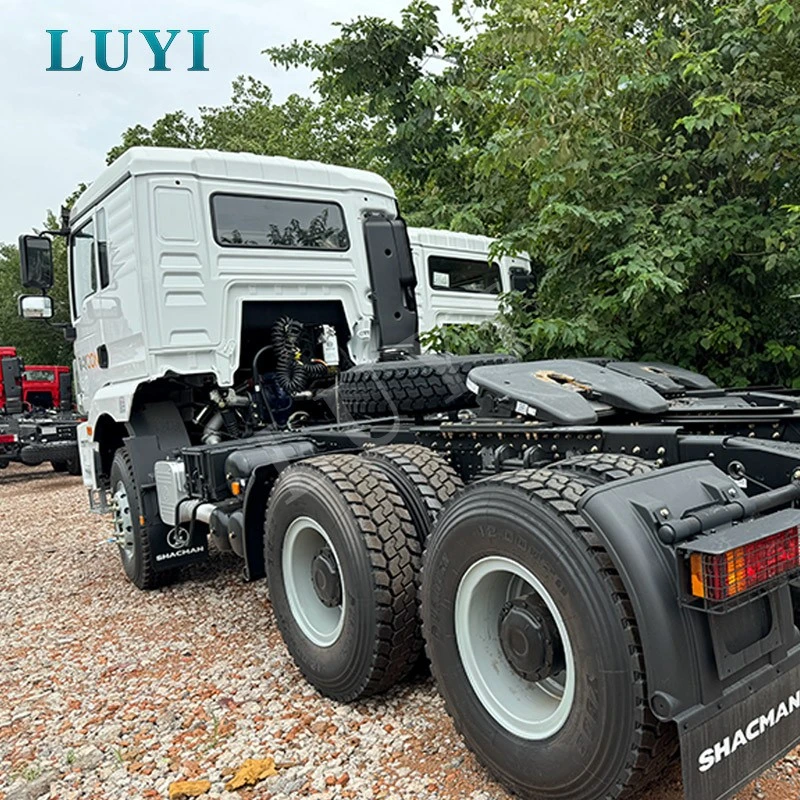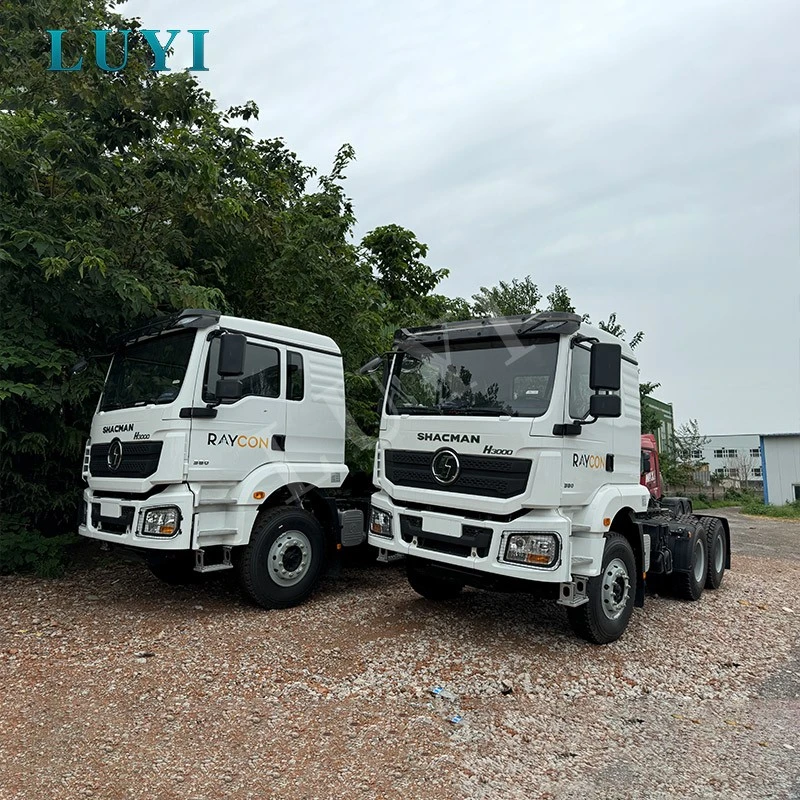
Matching fifth‑wheel height is critical for safe coupling, balanced axle load and long service life when one tractor connects different semi‑trailers, such as cargo trailers, tank trailers and bulk powder trailers. Poor height matching leads to high hitch risks, uneven load distribution, landing gear damage and premature chassis fatigue.
First, take accurate measurements on level ground. Record both unladen and laden fifth‑wheel height of the tractor, meaning the vertical distance from ground to the top of fifth‑wheel plate. Meanwhile collect the upper coupler height of each semi‑trailer under empty and loaded conditions. The ideal state is that the trailer apron sits slightly lower than the fifth wheel plate before coupling, so the ramps can lift the trailer gently during reversing and avoid false locking.
Second, make adjustments according to suspension types. For tractors with air suspension, fine‑tune air bag pressure to adjust ride height within the allowable range. For mechanical suspension models, change fifth‑wheel mounting brackets to shift fixed height. Sliding fifth wheels only change fore‑aft position instead of vertical height. Always reserve clearance for suspension compression under full load.
Finally, carry out post‑coupling inspection. Check whether the trailer deck stays horizontal after locking. Nose‑up or nose‑down posture indicates height mismatch. Verify cab swing clearance and landing‑gear clearance during turning. Follow ISO coupling standards and trailer manufacturer data. Proper height matching improves transport stability and reduces accident risks in mixed trailer operation.