

If you're in hauling or heavy equipment transport, you've definitely heard people talk about flatbed and lowbed trailers. A lot of folks mix them up, but they're totally different. I'll break it down like how a seasoned hauler would-no fancy jargon, just straight talk on what makes them different.
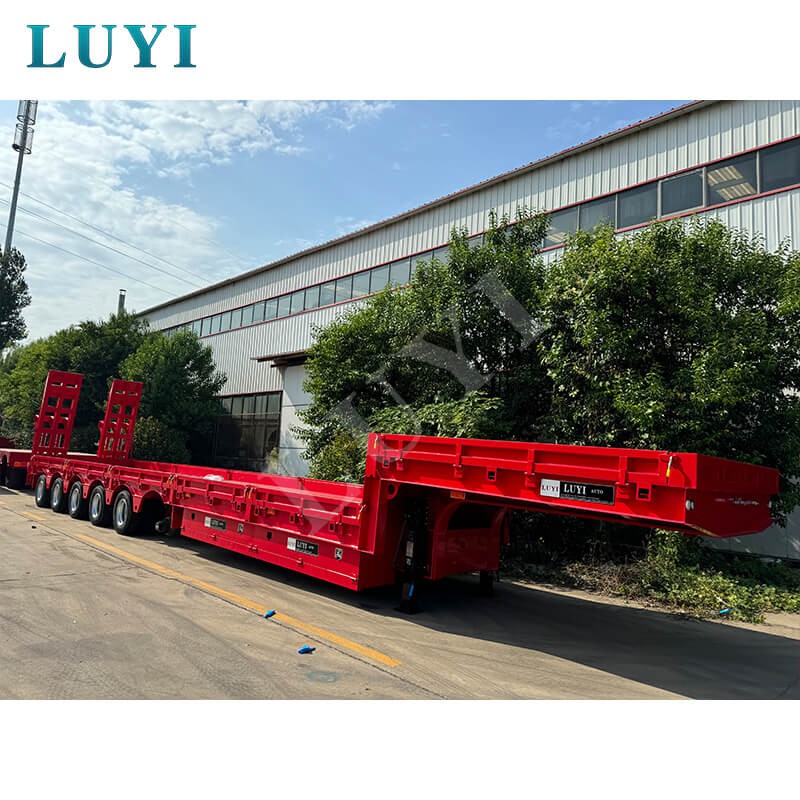
Let's start with the most obvious difference: how high the deck is off the ground. A flatbed's deck sits pretty high-usually 4 to 5 feet off the ground (that's 1.2 to 1.5 meters). It's just a simple, flat platform with no sides or roof, plain and simple. A lowbed, though? Its deck is way lower-only 12 to 24 inches (30 to 60 centimeters) from the ground. That low profile is where it gets its name, and it's why it's good for certain loads.
Next, what they're used for. Flatbeds are your go-to for everyday hauling-stuff that's not too tall, not too heavy. Think lumber, steel beams, pallets, or even light machinery. They're easy to load with a forklift or crane, and you can secure cargo with straps or chains no problem. They're the workhorse of general hauling, nothing fancy, just reliable for regular loads.
Lowbeds, though, are for the tough stuff-heavy, tall, oversized cargo that a flatbed can't handle. We're talking excavators, bulldozers, big industrial parts, or tall structures. That low deck lets you haul tall equipment without hitting bridges or power lines. Plus, lowbeds are built way sturdier-heavier frames, more axles-to carry loads that weigh 40 tons or more. A standard flatbed tops out around 20 to 30 tons, max.
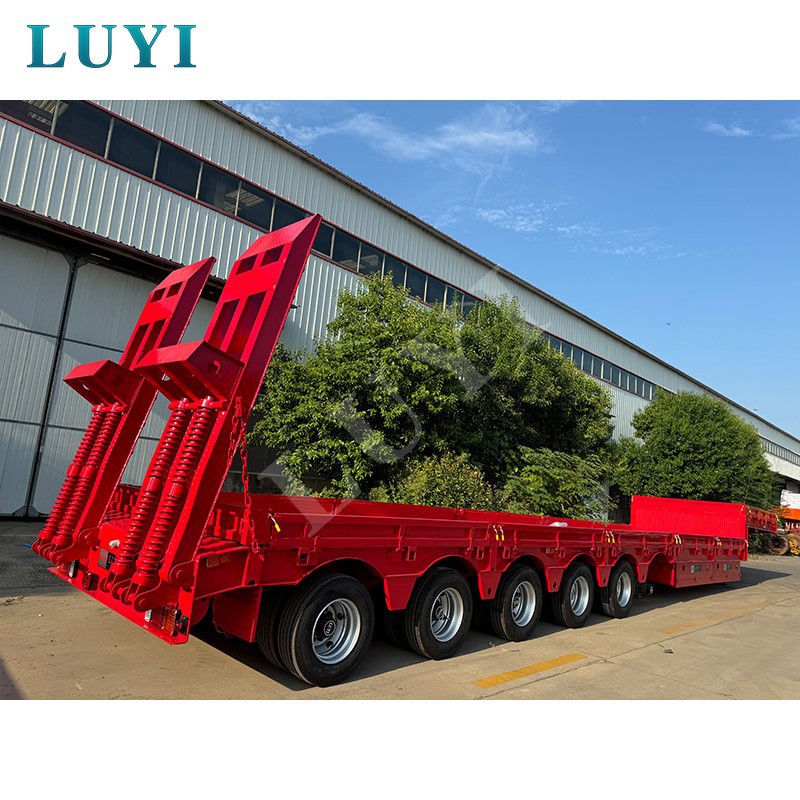
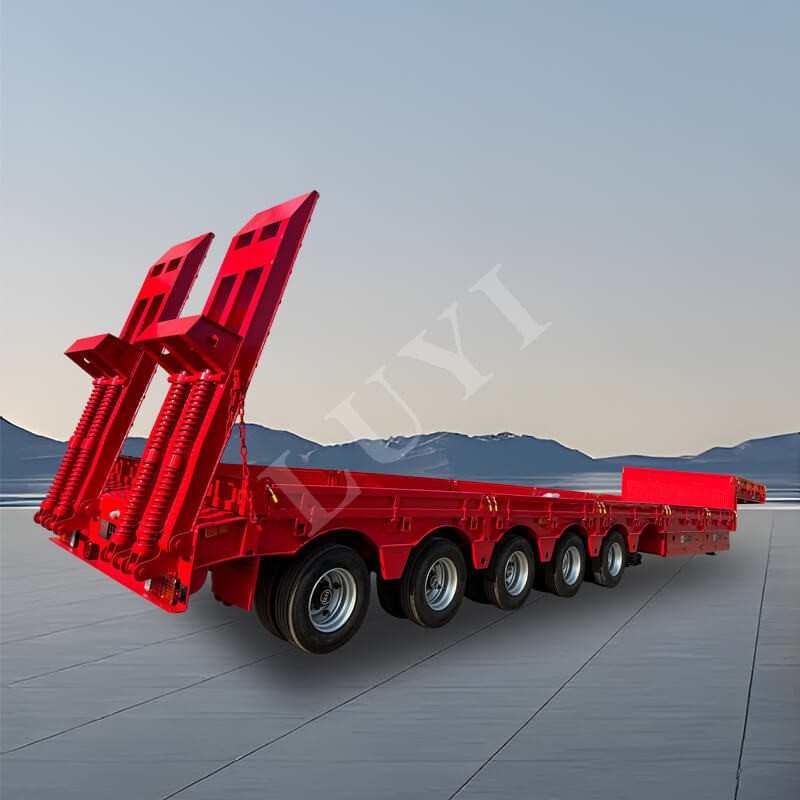
Loading and unloading are different too. Flatbeds are simple-you use a forklift or crane to set cargo on the deck. Lowbeds? A lot of them have hydraulic ramps or detachable goosenecks, so you can just drive heavy machinery right onto the deck. No need for a huge crane, which saves time and money, especially when you're moving big equipment.
Stability is another big difference. Flatbeds have a higher center of gravity because their deck is up high. That means if you're hauling something tall or heavy, there's more chance of cargo shifting, especially on bumpy roads or when turning. Lowbeds, with their low deck, have a way lower center of gravity-way more stable, even with tall, heavy loads. That's a big safety win when you're hauling expensive equipment.
Don't forget about regulations, either. Flatbeds are for regular loads, so you usually don't need any special permits-just the standard ones. Lowbeds, though, haul oversized or overweight cargo, so you'll almost always need a special permit. Also, lowbeds have more axles to spread out the weight, which helps meet local axle load rules that flatbeds don't have to worry about as much.
To keep it simple: Flatbeds are high-deck, general-purpose trailers for everyday loads. Lowbeds are low-deck, heavy-duty trailers for big, tall, heavy cargo that flatbeds can't handle. Once you've hauled with both, you'll see the difference right away-they're built for two totally different jobs.
