


For freight companies, expanding their semi-trailer fleets is a practical way to take more shipping jobs and earn higher profits. Despite the obvious benefits, many business owners decide to add new trailers on a whim, skipping careful planning beforehand. This kind of reckless expansion will only mess up daily operations and pile up long-term financial stress, slowing down the company's future growth. Therefore, fleet managers need to honestly evaluate their current operational ability and the real shipping needs in local markets before growing their fleets. Good financial management is the foundation of successful fleet expansion. No matter if you buy new trailers directly or rent them for the long run, you have to pay a large amount of money at the very start. Besides these one-time payments, there are continuous costs to cover, such as insurance for the whole fleet, monthly loan payments, regular vehicle repairs and daily running expenses. The freight industry is never stable: cargo quantities rise and fall with seasons, and it's quite common for customers to delay payments. These issues can easily cause
cash flow problems. To stay away from financial troubles and wrong investment choices, fleet owners should keep a clear record of daily costs, work out reasonable profit expectations and set aside emergency funds in advance. During the whole expansion process, it's essential to follow local traffic laws and safety rules for the industry. Every new trailer must meet local standards on exhaust emissions, load limits and vehicle sizes. Keep insurance papers updated and arrange regular safety checks. These simple steps can help you avoid fines, traffic accidents and unexpected service stops, making sure cargo deliveries go on without a hitch. Having a capable team and doing proper market research also plays a big part in sustainable fleet development. A bigger fleet requires experienced, responsible drivers and skilled maintenance workers. They can keep all vehicles in good shape and prevent delivery delays, which helps retain customers and maintain a good business reputation. Never expand your fleet without learning about market conditions first. Extra trailers left sitting idle will eat into your profits. Only by expanding based on actual market demand can freight businesses achieve stable and lasting development.
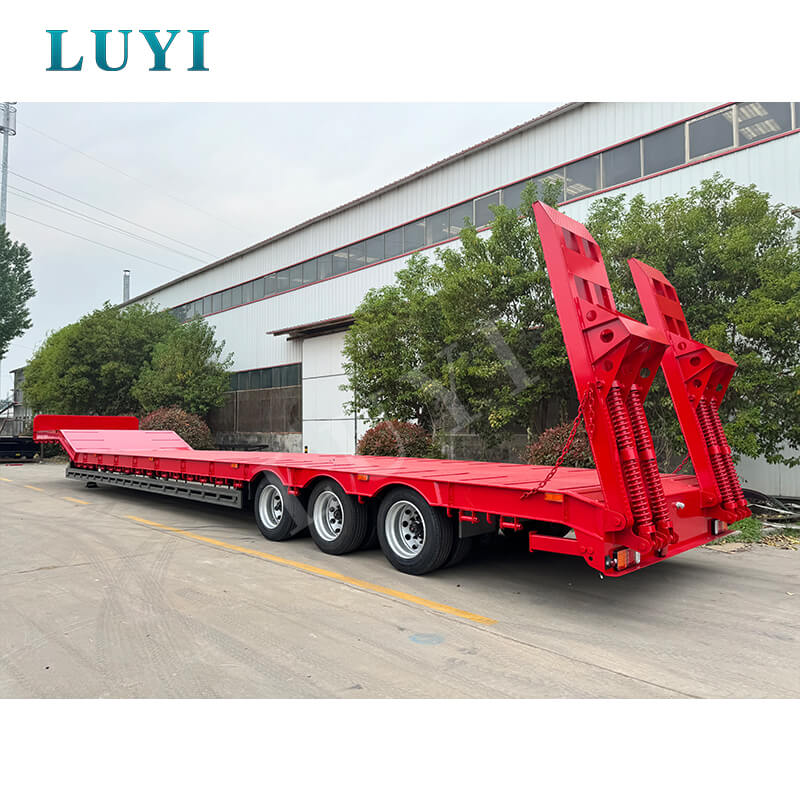

For freight companies, expanding their semi-trailer fleets is a practical way to take more shipping jobs and earn higher profits. Despite the obvious benefits, many business owners decide to add new trailers on a whim, skipping careful planning beforehand. This kind of reckless expansion will only mess up daily operations and pile up long-termfinancial stress, slowing down the company's future growth. Therefore, fleet managers need to honestly evaluate their current operational ability and the real shipping needs in local markets before growing their fleets.
Good financial management is the foundation of successful fleet expansion. No matter if you buy new trailers directly or rent them for the long run, you have to pay a large amount of money at the very start. Besides these one-time payments,there are continuous costs to cover, such as insurance for the whole fleet, monthly loan payments, regular vehicle repairs and daily running expenses. The freight industry is never stable: cargo quantities rise and fall with seasons, and it's quite common for customers to delay payments. These issues can easily cause cash flow problems. To stay away from financial troubles and wrong investment choices, fleet owners should keep a clear record of daily
costs, work out reasonable profit expectations and set aside emergency funds in advance.
During the whole expansion process, it's essential to follow local traffic laws and safety rules for the industry. Every new trailer must meet local standards onexhaust emissions, load limits and vehicle sizes. Keep insurance papers updated and arrange regular safety checks. These simple steps can help you avoid fines, traffic accidents and unexpected service stops, making sure cargo deliveries go on without a hitch.
Having a capable team and doing proper market research also plays a big part in sustainable fleet development. A bigger fleet requires experienced, responsible drivers and skilled maintenance workers. They can keep all vehicles in good shape and prevent delivery delays, which helps retain customers and maintain a good business reputation. Never expand your fleet without learning about market conditions first. Extra trailers left sitting idle will eat into your profits.
