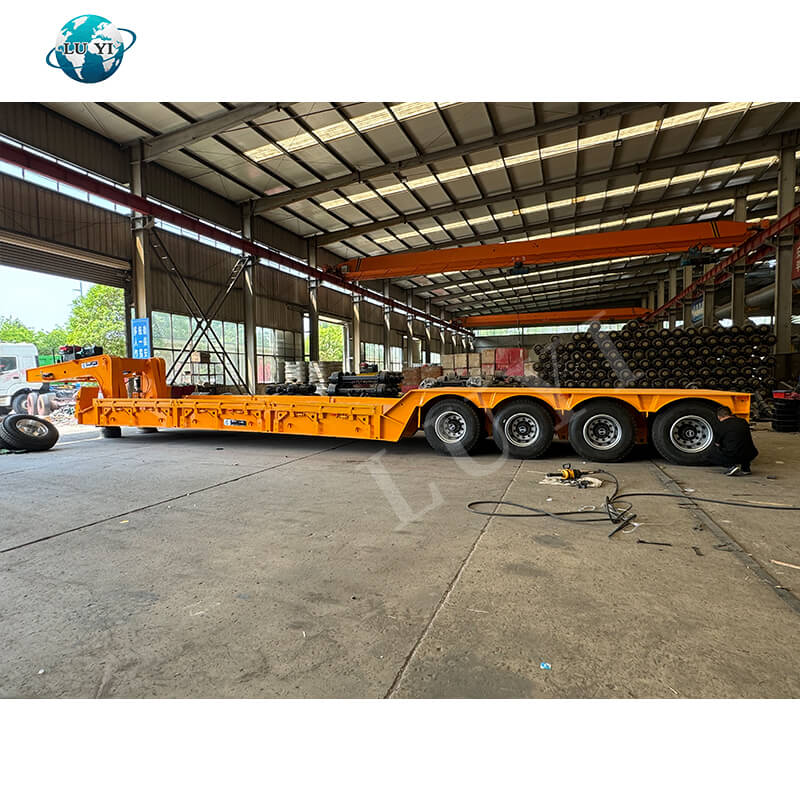
Cross-border semi-trailer freight business constantly faces challenges from regional regulations, as emission requirements vary significantly around the world. To run overseas logistics services legally and reliably, transport enterprises need to upgrade trailer equipment and adjust daily working procedures to meet local environmental rules.
Europe currently enforces the stringent Euro 7 standard. It imposes strict restrictions on fine particles produced by trailer brakes, and mandates better aerodynamic design for newly built trailers. Any new trailer must pass the VECTO carbon test and acquire official certification before being permitted to travel on local roads. In North America, EPA rules set clear thresholds for nitrogen oxides and particulate pollutants released by heavy-duty freight trailers, covering nearly all commercial vehicles in service locally.
All cross-border trailers are required to hold valid local operation certificates. This basic requirement effectively helps companies avoid fines and unexpected service suspensions caused by rule violations. Regular vehicle maintenance is also key to controlling pollutant emissions. In actual operation, worn brake parts and damaged aerodynamic accessories are the main triggers for excessive pollution. Many carriers choose to fit trailers with aerodynamic side skirts. This easy and cost-effective modification saves fuel consumption and reduces exhaust emissions during long-distance transportation.
Fleet managers need to stay updated on the latest emission policies across different areas, and arrange routine emission inspections for all vehicles. Meanwhile, all test documents should be well filed for official audits. Training drivers to develop eco-friendly driving manners can also cut extra emissions. Besides, phasing out outdated trailers with high pollution levels step by step is a practical way to comply with global emission norms, without disrupting regular transport work.