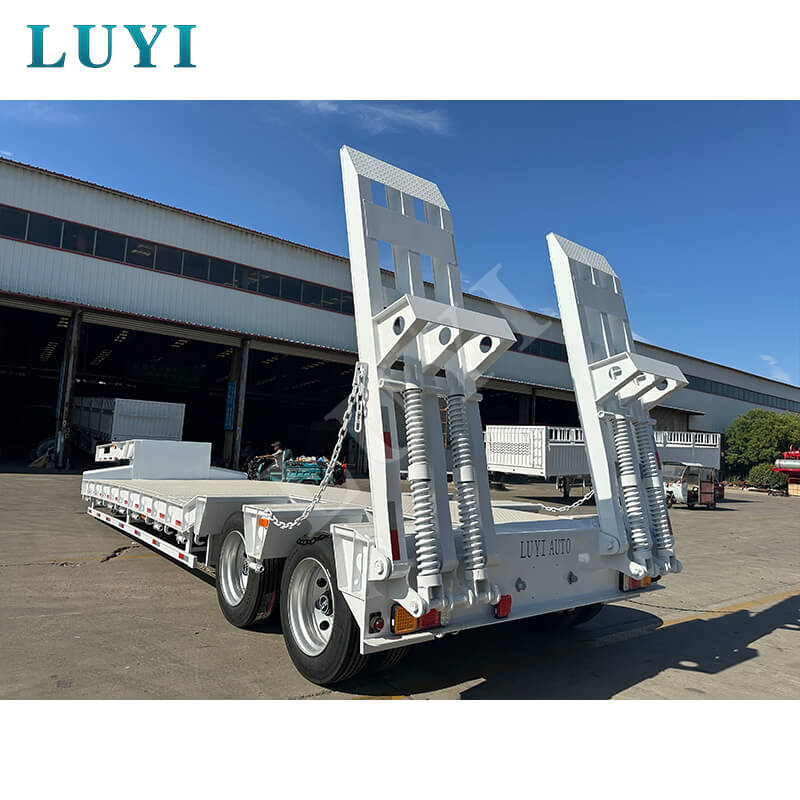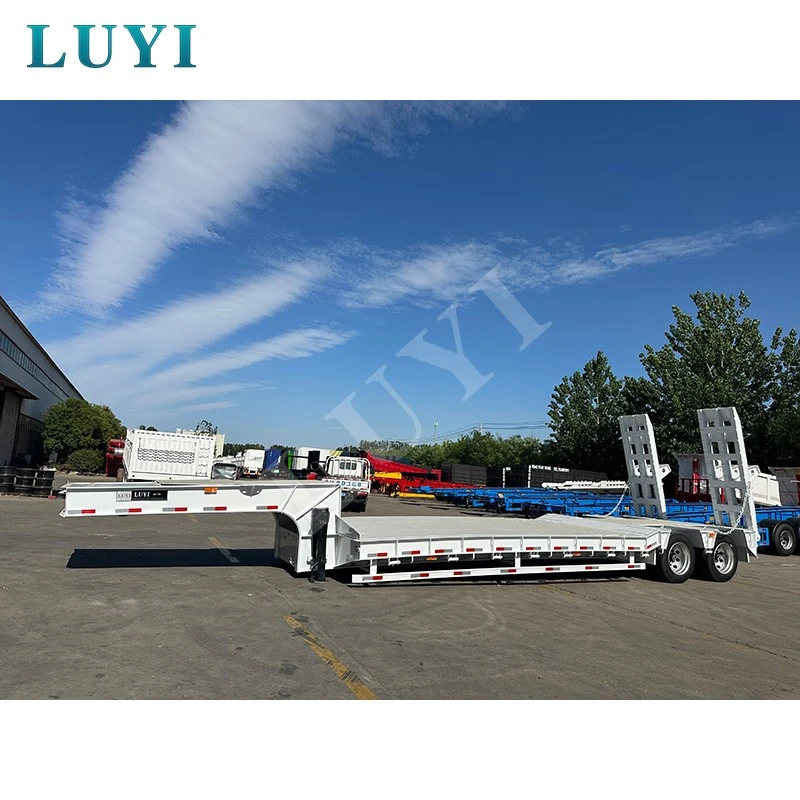
Multi-axle low-bed trailers have become the preferred option for heavy cargo transport, largely thanks to their unique weight distribution capability that meets road traffic regulations. All public highways and bridge infrastructures have clear load limits for each single axle. When heavy loads concentrate on only a few axles, the intense ground pressure will crack road surfaces, damage bridge decks and shorten the service life of public traffic facilities. This is why transport authorities strictly restrict axle load tolerance for all heavy-duty vehicles.
The biggest advantage of multi-axle low-bed trailers lies in their reasonable structural design. By adding more axle groups and tyre contact points, the whole weight of the trailer and bulky cargo is evenly scattered across the road surface. This effectively cuts down the pressure borne by each individual axle, making
every load indicator stay within legal limits. Such a design helps transport companies get rid of fines, inspection rejections and transit delays resulting from non-compliant overload issues.
In addition to satisfying regulatory requirements, balanced weight distribution also boosts transport safety. It stabilizes vehicle running status during the transportation of engineering machinery and large industrial parts, and reduces uneven abrasion on pavements. With flexible axle layouts, these trailers fit different load sizes and road standards. Overall, the weight dispersing feature of multi-axle low-bed trailers serves as a key guarantee for legal, safe and sustainable heavy highway transportation.