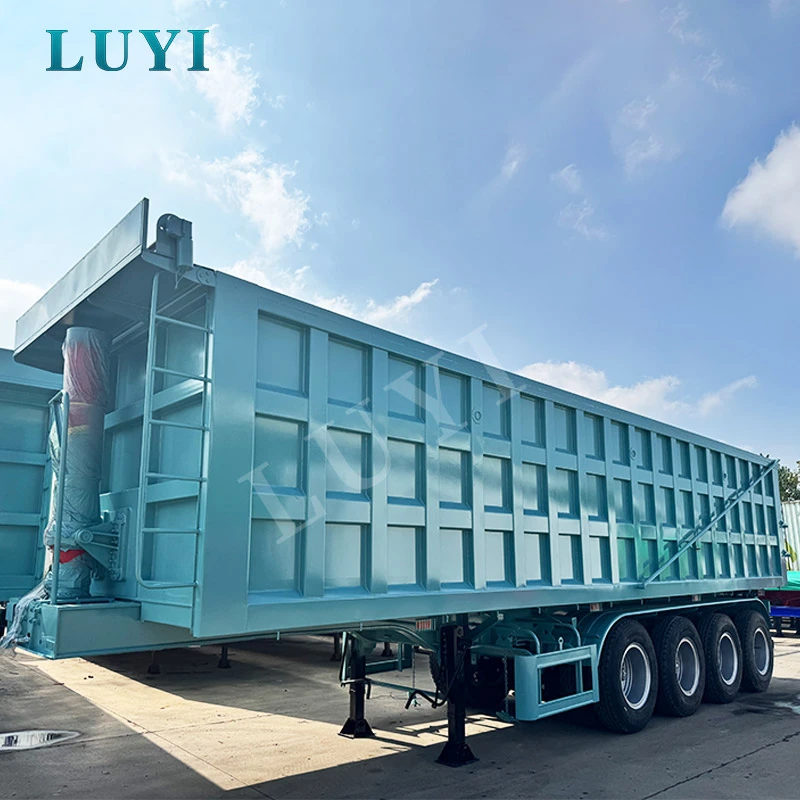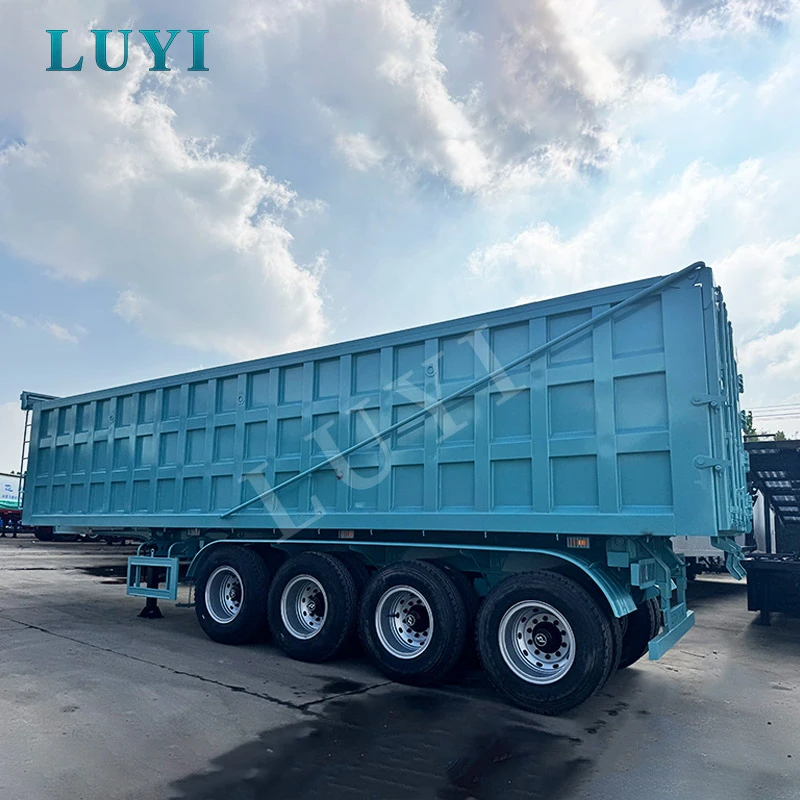
Dump trailers tasked with transporting sand, crushed stone and assorted construction aggregates almost always come equipped with professional dust-proof tarp setups. These unconsolidated granular materials easily kick up fine particulate dust and shed tiny fragments when the vehicles travel on public roads and highways. This everyday construction site problem does more than just waste usable building materials; it also creates roadside air pollution and creates unexpected safety risks for passing cars and trucks. Engineered specifically to handle the messy, abrasive and high-wear conditions of outdoor construction work, these tarp kits are user-friendly for on-site assembly, hold up exceptionally well to repeated daily use, and deliver reliable year-round defense against dust dispersion and cargo spillage.
No specialized trade knowledge or expensive professional tools are required to complete the full installation process, and the setup fits nearly all standard sand and stone dump trailer models currently in common use. The first installation step is a thorough cleaning of the trailer's cargo bed, clearing all leftover sand, hardened mud clumps and scattered debris to create a smooth, clean mounting surface. It is vital to take precise measurements of the trailer cargo compartment before fitting heavy-duty PVC and polyethylene tarps. These rugged, thick materials feature excellent windproof and tear-resistant properties, making them the ideal choice for heavy-duty bulk aggregate transportation. Workers can firmly mount all support arms and roller assemblies to the trailer frame using heavy-gauge industrial bolts for stable fixation.
For trailers fitted with electric tarp mechanisms, install fully waterproof 12V power connection fittings and add a matched safety fuse to the circuit system. This
simple modification effectively prevents circuit overloads and accidental burnout during long-term operation. Install the manual or electric control switches at an accessible spot within the driver's reach, fasten the tarp fabric tightly and evenly along the entire roller shaft, and run multiple full open-and-close cycles. This practical testing method smooths out fabric creases, fixes uneven rolling issues and prevents annoying jamming faults during daily transportation work.
Before hitting the road, operators are required to fully cover the entire stacked cargo and tighten every edge strap securely. Any loosely fixed tarp will flutter intensely against highway wind resistance, which inevitably leads to dust leakage and gradual loss of small aggregate materials. Basic ongoing maintenance is key to maximizing the service lifespan of the entire tarp system. On a regular basis, staff should inspect the tarp surface for worn spots, tiny cracks and abrasion damage, retighten any loose bolts on support brackets and roller parts, and apply lubricating oil to all movable mechanical components every two to three months.
Maintaining routine tarp cleaning and promptly repairing small rips and scratches can keep the system's dustproof and spill-proof functions in optimal condition, ensuring every haulage operation remains safe, standardized and compliant with road transport regulations.